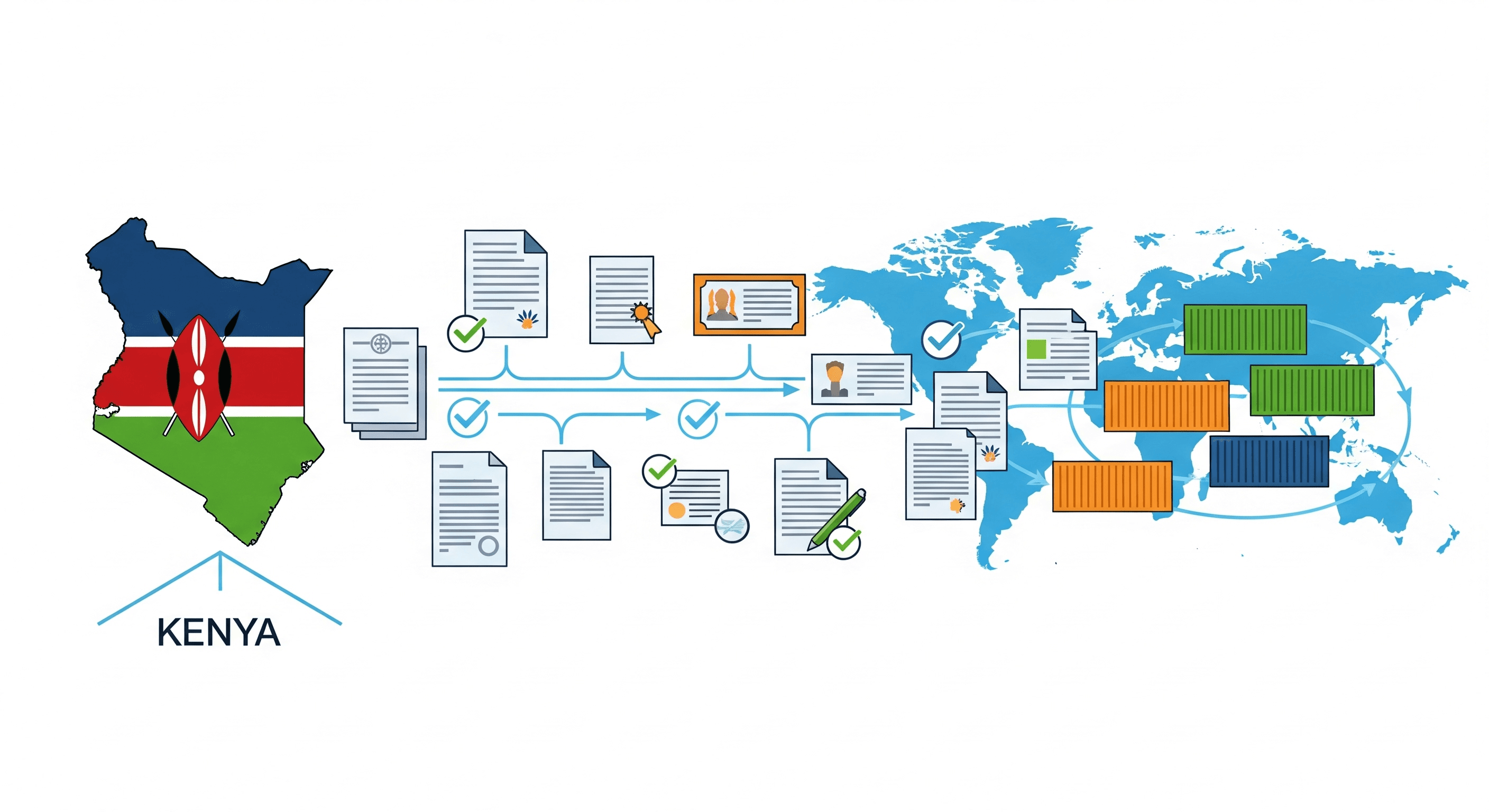
Data Security Best Practices for Kenyan SMEs: Protecting Your Business in the Digital Age
Comprehensive cybersecurity guide for Kenyan small and medium enterprises. Learn essential data protection strategies, compliance with local regulations, and cost-effective security solutions.

Data Security Best Practices for Kenyan SMEs: Protecting Your Business in the Digital Age
In Kenya's rapidly digitalizing economy, cyber threats targeting small and medium enterprises (SMEs) have increased by 400% since 2020. With M-Pesa transactions alone exceeding KES 50 trillion annually, businesses handle more sensitive data than ever before.
Unfortunately, 60% of Kenyan SMEs that suffer a major cyber attack go out of business within six months. The good news? Most attacks are preventable with the right security measures.
As cybersecurity specialists who've secured over 300 Kenyan businesses, we've compiled this practical guide to help SMEs protect their digital assets without breaking the bank.
Understanding the Kenyan Cyber Threat Landscape
Current Threat Statistics
2024 Kenya Cybersecurity Report:
- 78% increase in ransomware attacks on SMEs
- KES 12 billion lost to cybercrime annually
- 45% of attacks target financial data
- 89% of successful attacks exploit weak passwords
- 67% involve insider threats (intentional or accidental)
Common Attack Vectors in Kenya
1. Mobile Money Fraud
- Fake M-Pesa messages and portals
- SIM swap attacks
- Man-in-the-middle attacks on mobile payments
2. Email-Based Attacks
- Phishing emails impersonating banks (KCB, Equity, Safaricom)
- CEO fraud targeting finance departments
- Malicious attachments and links
3. Wi-Fi and Network Attacks
- Unsecured public Wi-Fi exploitation
- Weak router passwords
- Unencrypted data transmission
4. Social Engineering
- Phone calls impersonating IT support
- Physical access to offices
- Social media information gathering
Kenya's Data Protection Legal Framework
The Data Protection Act, 2019
Key Requirements for Businesses:
Data Collection:
  - Explicit consent required
  - Clear purpose statement
  - Minimal data collection principle

Data Processing:
  - Lawful basis required
  - Security measures mandatory
  - Staff training on data handling

Data Subject Rights:
  - Right to access personal data
  - Right to correction and deletion
  - Right to data portability

Penalties:
  - Fines up to KES 5 million
  - 10% of annual turnover
  - Criminal prosecution possible
Office of the Data Protection Commissioner (ODPC)
Registration Requirements:
- Data controllers must register
- Annual fee: KES 10,000 - 50,000
- Compliance audits and reporting
- Data Protection Officer (DPO) appointment for large organizations
Industry-Specific Regulations
Financial Services: Central Bank of Kenya (CBK) guidelines Healthcare: Ministry of Health data protection requirements Telecommunications: Communications Authority regulations Education: Ministry of Education data handling policies
Essential Security Measures for Kenyan SMEs
1. Strong Authentication Systems
Password Management:
# Password Requirements
Minimum Length: 12 characters
Complexity: Upper, lower, numbers, symbols
Unique: Different for each account
Regular Updates: Every 90 days for critical systems
Recommended Password Managers:
- Bitwarden (Free tier available)
- LastPass (Business plans from $3/month)
- KeePass (Open-source, one-time cost)
Two-Factor Authentication (2FA): Enable 2FA on all critical accounts:
- Banking and M-Pesa business accounts
- Email accounts
- Cloud storage (Google Drive, Dropbox)
- Accounting software
- Website admin panels
2. Network Security
Firewall Configuration:
Basic Firewall Rules:
- Block all unnecessary incoming connections
- Allow outgoing connections for business apps
- Monitor and log all network traffic
- Regular firmware updates
- Change default admin passwords
Wi-Fi Security Best Practices:
- Use WPA3 encryption (WPA2 minimum)
- Create separate guest networks
- Hide network SSID from broadcasting
- Regular password changes
- Monitor connected devices
VPN Implementation: Essential for:
- Remote work access
- Public Wi-Fi usage
- Accessing sensitive business data
- Multi-location businesses
Budget-Friendly VPN Options:
- NordLayer (Business VPN from $7/month)
- ExpressVPN (Team plans available)
- Surfshark (Unlimited devices)
3. Email Security
Email Security Checklist:
- Enable SPF, DKIM, and DMARC records
- Use encrypted email for sensitive communications
- Implement email filtering and anti-spam
- Regular phishing awareness training
- Backup email data regularly
Phishing Protection:
Red Flags to Watch:
- Urgent payment requests
- Suspicious sender addresses
- Grammar and spelling errors
- Unexpected attachments
- Links to unfamiliar domains
4. Data Backup and Recovery
3-2-1 Backup Rule:
- 3 copies of important data
- 2 different storage types (local and cloud)
- 1 copy stored off-site
Backup Schedule Example:
Daily: Critical business files and databases
Weekly: Complete system backups
Monthly: Archive and compliance data
Quarterly: Full disaster recovery testing
Recommended Backup Solutions:
- Google Workspace (from KES 680/month per user)
- Microsoft 365 (from KES 550/month per user)
- Dropbox Business (from KES 1,500/month per user)
- Local NAS solutions (Synology, QNAP)
Mobile Money and Payment Security
M-Pesa Business Security
Best Practices:
-
Separate Business and Personal Numbers
- Dedicated line for business transactions
- Limited access to business M-Pesa PIN
- Regular transaction monitoring
-
Transaction Limits and Controls
- Set appropriate daily/monthly limits
- Enable transaction notifications
- Use M-Pesa statements for reconciliation
-
Staff Training
- Recognize fake M-Pesa messages
- Verify large transactions via phone
- Report suspicious activities immediately
Online Payment Security
PCI DSS Compliance for Card Payments:
- Never store card details on local systems
- Use certified payment processors
- Implement SSL certificates for websites
- Regular security assessments
Recommended Payment Processors:
- Pesapal (Kenyan payment gateway)
- iPay (Cellulant payment solution)
- Stripe (International transactions)
- PayPal (Global e-commerce)
Endpoint Security
Antivirus and Anti-Malware
Enterprise-Grade Solutions:
- Bitdefender GravityZone (from KES 2,000/device/year)
- Kaspersky Small Office Security (KES 1,500/device/year)
- ESET Endpoint Security (from KES 1,800/device/year)
Free Alternatives for Very Small Businesses:
- Windows Defender (Built-in Windows protection)
- Avast Business (Basic free tier)
- AVG Business (Limited free protection)
Device Management
Mobile Device Management (MDM):
Required Configurations:
- Screen lock with strong PIN/biometric
- Automatic OS updates
- App installation restrictions
- Remote wipe capabilities
- Work/personal profile separation
Computer Security:
- Automatic screen locks (5-minute timeout)
- Full disk encryption
- Regular software updates
- Administrative privilege restrictions
- USB port security policies
Staff Training and Awareness
Cybersecurity Training Program
Monthly Training Topics:
- Password Security - Strong passwords and 2FA
- Phishing Recognition - Email and SMS threats
- Social Engineering - Phone and in-person attacks
- Mobile Security - Smartphone and tablet protection
- Data Handling - Proper data storage and sharing
- Incident Response - What to do when attacked
Training Methods:
- Short 15-minute weekly sessions
- Simulated phishing tests
- Security awareness posters
- Quick reference cards
- Incident discussion sessions
Creating a Security Culture
Key Strategies:
- Lead by example from management
- Reward good security behavior
- Make reporting easy and blame-free
- Regular security reminders
- Celebrate security milestones
Incident Response Plan
Immediate Response (First 24 Hours)
Step 1: Contain the Threat
1. Isolate affected systems from network
2. Preserve evidence (don't delete anything)
3. Document everything
4. Notify key stakeholders
5. Contact cybersecurity experts if needed
Step 2: Assess the Damage
- Identify compromised data
- Determine attack vector
- Estimate business impact
- Check legal notification requirements
Step 3: Communicate Appropriately
- Internal team notifications
- Customer communications (if required)
- Regulatory reporting (ODPC, CBK)
- Insurance company notification
Recovery and Lessons Learned
Recovery Checklist:
- Remove malware and patch vulnerabilities
- Restore data from clean backups
- Reset all potentially compromised passwords
- Update security measures
- Monitor for recurring issues
Post-Incident Review:
- What went wrong?
- How can we prevent this in the future?
- What security improvements are needed?
- Staff training gaps identified?
Budget-Friendly Security Solutions
Essential Security Stack for Small Businesses (Under KES 20,000/month)
Basic Package (KES 8,000 - 15,000/month):
- Business antivirus: KES 3,000
- Cloud backup: KES 2,000
- VPN service: KES 1,500
- Password manager: KES 1,000
- Email security: KES 2,500

Enhanced Package (KES 15,000 - 25,000/month):
- Enterprise antivirus: KES 5,000
- Advanced backup: KES 4,000
- Business VPN: KES 2,500
- 2FA tokens: KES 3,000
- Security training: KES 5,000
- Firewall upgrade: KES 5,500
Free and Low-Cost Tools
Free Security Tools:
- Google Workspace (Basic security features)
- Microsoft Defender (Windows protection)
- Cloudflare (Website protection)
- Have I Been Pwned (Breach monitoring)
- OpenVPN (Open-source VPN)
Government and NGO Resources:
- Kenya Computer Incident Response Team (KE-CIRT) - Free incident response
- Serianu Cyber Intelligence - Free threat intelligence
- ICTA cybersecurity resources - Training materials
Compliance and Documentation
Required Documentation for ODPC Compliance
Privacy Policy Requirements:
Must Include:
- Types of data collected
- Purpose of data processing
- Legal basis for processing
- Data retention periods
- Data subject rights
- Contact information for DPO
- Complaints procedure
Data Processing Agreements: Essential for:
- Cloud service providers
- IT support vendors
- Accounting firms
- Marketing agencies
- Any third party handling your data
Record Keeping
Compliance Records to Maintain:
- Data processing activities register
- Consent records
- Data breach incident logs
- Staff training records
- Vendor due diligence reports
- Security audit results
Industry-Specific Considerations
Healthcare Practices
Additional Requirements:
- Patient data encryption at rest and in transit
- Access controls for medical records
- Regular privacy impact assessments
- Medical device security
- Telemedicine platform security
Financial Services
CBK Requirements:
- Regular penetration testing
- Fraud monitoring systems
- Customer data protection
- Transaction monitoring
- Business continuity planning
Retail and E-commerce
Key Focus Areas:
- PCI DSS compliance for card payments
- Customer data protection
- Inventory management security
- Point-of-sale system protection
- Website security certificates
Working with Cybersecurity Professionals
When to Seek Professional Help
Immediate Professional Assistance Needed:
- Active cyber attack in progress
- Data breach involving customer information
- Ransomware infection
- Suspected insider threat
- Compliance audit preparation
Regular Professional Services:
- Annual security assessments
- Penetration testing
- Staff training programs
- Incident response planning
- Compliance consulting
Choosing the Right Cybersecurity Partner
Questions to Ask Potential Vendors:
- Are you certified by international bodies (CISSP, CISM, CEH)?
- Do you understand Kenyan data protection laws?
- Can you provide local references?
- What is your incident response time?
- Do you offer 24/7 support?
- What is your experience with businesses our size?
Red Flags to Avoid:
- Promises of 100% security
- Pressure to buy expensive solutions immediately
- No local presence or support
- Unwillingness to provide references
- No clear service level agreements
Future-Proofing Your Security
Emerging Threats to Watch
2025 Cybersecurity Trends:
- AI-powered phishing attacks
- Supply chain compromises
- Cloud misconfiguration exploits
- IoT device vulnerabilities
- Deepfake social engineering
Technology Investments to Consider
Next-Level Security Technologies:
- Zero Trust Architecture - Never trust, always verify
- Security Information and Event Management (SIEM) - Automated threat detection
- Extended Detection and Response (XDR) - Comprehensive threat hunting
- Cloud Access Security Broker (CASB) - Cloud application protection
Conclusion and Action Steps
Cybersecurity for Kenyan SMEs isn't just about technology—it's about creating a culture of security awareness while complying with local regulations and protecting your business assets.
Immediate Action Plan (Next 30 Days)
Week 1: Assessment
- Conduct security audit using our checklist
- Inventory all devices and software
- Review current data protection practices
- Identify critical business data
Week 2: Quick Wins
- Implement strong passwords and 2FA
- Update all software and operating systems
- Configure basic firewall rules
- Set up automated backups
Week 3: Staff Training
- Conduct phishing awareness session
- Create security policies document
- Establish incident reporting procedures
- Test backup and recovery procedures
Week 4: Long-term Planning
- Develop comprehensive security strategy
- Budget for security investments
- Research cybersecurity vendors
- Plan compliance documentation
Remember: Security is a Journey, Not a Destination
Cybersecurity requires ongoing attention and investment. Start with the basics, build a security-conscious culture, and gradually enhance your defenses as your business grows.
The cost of prevention is always less than the cost of recovery. In Kenya's digital economy, your business's security directly impacts your ability to serve customers and compete effectively.
Need expert help securing your business? Ervin Solutions provides comprehensive cybersecurity services tailored for Kenyan SMEs. Contact us for a free security assessment and customized protection plan.
Emergency Cyber Incident Hotline: +254 701 838713 (24/7 support available)

Jasmine Njeri
•Content TeamExpert insights from Ervin Solutions